

What's the value of a mug?
Determining how much to invest in something you value isn't as easy as it seems

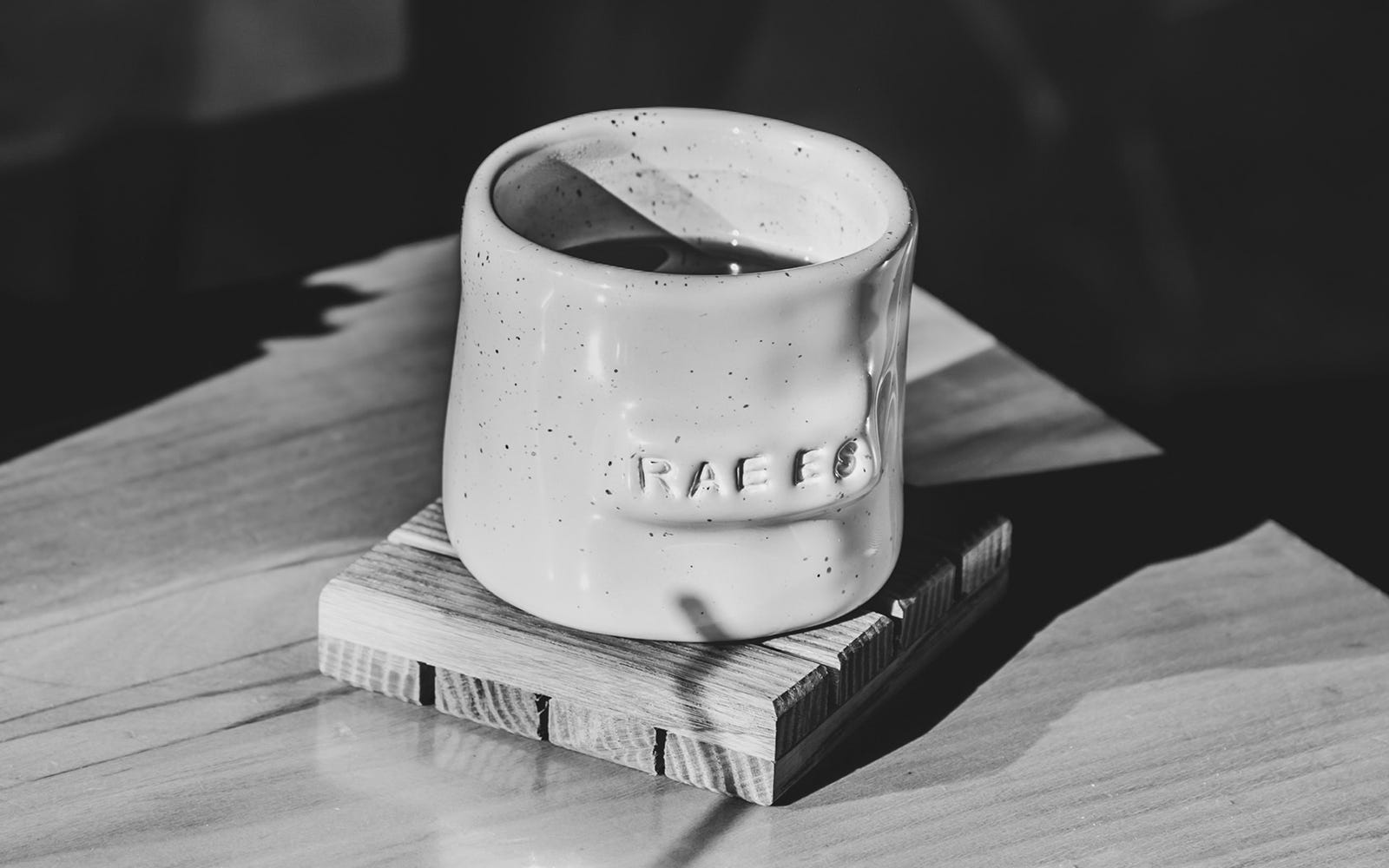
Undeterred by the grey sky and sheet of mist, I put on my shoes and went out to see the craft show.
The familiar tables ran along both sides of the street for several blocks, each adorned with the work of the person behind the table. They’d put their time — and often their resources and identity — into creating the objects displayed before them.
I anticipated seeing pottery, paintings, and drawings, but I also discovered remarkable cooking utensils, fire pits, and utilitarian bags as I plodded my way up and down the street.
I stopped first at Mary’s1 table. She crafted beautiful pottery by hand, including what I thought was an exquisite mug. I followed my rule and went through the whole show before returning to the booths that still stuck out in my mind. I figure if I can’t remember it, I don’t need it.
I went back to Mary, her cobalt blue mug still tingling my brain. I picked it up. I looked at it. I also looked at the price.
I ultimately decided to leave the mug and took with me the recognition that while I valued this mug, obtaining it would take more resources than I was willing to invest. What did that say about how much I valued it?

“If a month comes and you can make rent or the car payment but not both, make the car payment because you can always sleep in your car, but you can't drive your house,” said Frank Regan to his grandsons on an episode of Blue Bloods.
It’s sound advice focused on the utility value of a house and a car. The car can serve two critical functions, while your apartment can serve only one. And you have to get to work or you won’t have the financial resources for either.
Most of us put our financial resources toward what we call the necessities first. We also tend to talk about value in terms of how useful something is, even if it isn’t a necessity.
But value has multiple dimensions. In the case of my mug, I was getting four dimensions of value:
It was something I would use, so there was utility value
It was beautiful, so there was aesthetic value
It being beautiful brought me joy, so there was spiritual value
It being handcrafted meant it was better quality, more unique, and allowed me to support a person rather than a big business, so it delivered personal value.
I was aware of these points while I held the mug and thought over the exchange.
So if I determined that the mug would deliver value, why not get it?
Simple: I determined the financial cost was not equivalent to the value I would get from the mug. It was not an exchange I deemed worth it.
It would be easy to say, “Well, I guess buying from artists isn’t that important to you,” but life isn’t that simple. Multiple things were happening simultaneously.
First, this mug was one item in a vast web of choices about where I could invest my financial resources. Unless you have infinite financial resources, this dynamic will always be at play. You have to choose what does and does not get your money.
Second, I moved the week before visiting Mary at her booth. In the context of my life at that moment in time, I had a higher-than-average number of choices to make — some more essential than others.
Third, I was raised to be frugal. My mother would say I took the lesson too far, I’m dirt cheap, and I should go buy the damn mug. I would say I’m particularly deliberate about where I spend and tend to invest in things I need rather than things I want, even though value comes through both doors.
After all of this, I intend to purchase handmade mugs. I will delay the purchase as I don’t need them right this second, then I will seek out someone who has made a mug that provides the same value to me as Mary’s at a price point that makes the exchange worth it to me.

My choice to say no to this mug at this moment made me realize that there are things I value that — on average — require more financial resources than I’m used to investing.
It spurred me to take stock of what matters to me. In the value economy, having to make choices requires you to do some thinking first. What do you value? How much do you value it? How much do you value it compared to the other things you value? In the context of where you are in life right now? What value do you not get if you invest resources here?
These questions start at the individual level because what we value is unique to us. These questions can and should move to a community or cultural level because, like it or not, what we value as a society influences what we value as individuals.
They’re also not one-off questions. They’re an active conversation. What mattered to me at the moment I made a choice about this mug may be different than what matters to me in six months, a year, or ten years. The world changes. We must choose and re-choose over and over again.

We’re more likely to notice how much we’re exchanging when we exchange our dollars. But what about when we exchange our time?
You can make more money to exchange for things you value. You cannot make more time. Asking, "What value do I not get if I invest resources here?" becomes all the more critical when the resource you're investing is time.
That reality tends to cast an overserious pallor that causes people to lock up because it feels restrictive. I’m not saying you can only put time toward productive or world-changing things. Many pursuits deliver value.
For example, you can choose to put on a documentary to learn something new. You can also choose to watch The Karate Kid for the twenty-third time because it will relax you.
You need to know what you value and understand the point of investing your time in the things you do.
Because you don’t get that time back.
[1] I would say the pseudonym is to protect her identity, but in reality, I simply can’t recall her name. My apologies.
.